
Planning Appeal Success for 7 dwellings in Tendring
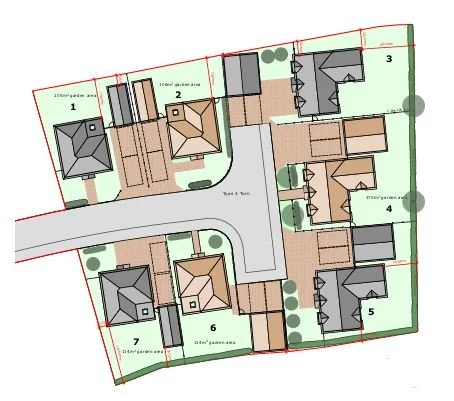
Image by Duncan Clark & Beckett
We are pleased to share a recent planning appeal success in Tendring, where permission in principle was secured for residential development despite an earlier refusal by the local authority.
The appeal related to land at Little Clacton, where Tendring District Council had refused an application for permission in principle (PIP) for up to 7 dwellings. Following a robust appeal submission, the Planning Inspectorate overturned that decision and allowed the development.
Understanding the Appeal
This case centred on whether the site was suitable for residential development in principle—specifically considering location, land use, and the amount of development, which are the only matters assessed at the PIP stage.
The Council had raised concerns regarding the site’s position outside the defined settlement boundary and the potential impact on the countryside. However, the Inspector took a more balanced view.
Why the Appeal Was Allowed
Following review of our robust evidence, the Inspector concluded that the site represented a logical and sustainable extension to Little Clacton, noting several key factors:
The site adjoins existing residential development and a housing scheme currently under construction
It is well-contained with clear physical boundaries
Local services, including shops, schools, and public transport, are within walking distance
The scale of development—up to 7 dwellings—was considered proportionate for a rural service centre
Importantly, the Inspector found that the site “would not result in a harmful hard urban edge” and would instead integrate naturally with the existing settlement pattern .
The decision also highlighted that detailed matters such as design, access, and landscaping are reserved for the later Technical Details Consent stage, reinforcing the role of PIP as a tool to establish development acceptability upfront.
Other Key Considerations
The appeal also addressed:
Ecological impacts: A financial contribution secured through the Essex Coast RAMS ensured no adverse effects on protected habitats
Housing land supply: The Council could not demonstrate a five-year housing supply, which weighed in favour of the proposal
Highway and infrastructure matters: These were confirmed as appropriate for later consideration
Overall, the Inspector concluded that the proposal aligned with the Tendring Local Plan and represented sustainable growth.
What This Means for Landowners and Developers
This decision is a strong example of how a well-prepared planning appeal can successfully challenge a refusal—particularly where:
Sites are on the edge of settlements
There is a clear relationship with existing built form
The scale of development is appropriate
The benefits of additional housing are evident
It also demonstrates the growing importance of permission in principle as a flexible route to establish development potential early in the process.
Need Advice on a Planning Appeal?
If you’ve had a planning application refused—or are considering promoting land for development—professional advice can make all the difference.
We are experienced planning consultants in Tendring and across Essex, with a strong track record in securing permissions through both applications and appeals.
Get in touch today to discuss your site and explore how we can help unlock its potential.