
Redevelopment Success in the Basildon Green Belt
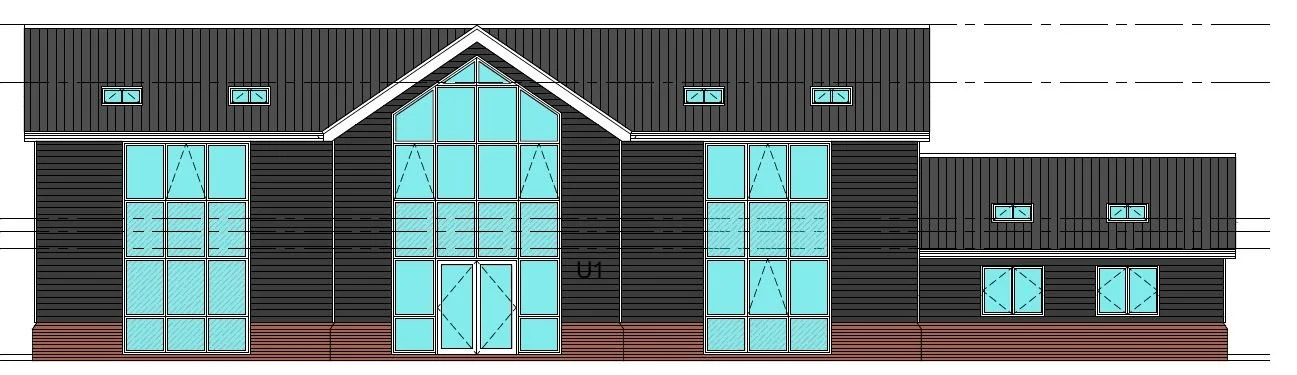
Image by AEC
We are delighted to have secured planning permission from Basildon Council for the redevelopment of previously developed land beyond Billericay.
This was a sensitive Green Belt site, subject to a wide range of technical scrutiny. However, by carefully addressing Green Belt policy, openness, design, highways, ecology and amenity considerations, we achieved a positive decision under delegated powers.
Below, we explain what was proposed, the key Green Belt challenges, and how those challenges were successfully overcome.
What Was Proposed in the Green Belt
The application sought full planning permission for:
Demolition of existing barn and storage buildings
Removal of associated hardstanding
Erection of three purpose-built office buildings (Use Class E(g)(i))
Provision of car parking, cycle parking and EV charging
Comprehensive landscaping and drainage improvements
The site had historically been used for Use Class B8 and Sui Generis activities (Sui Generis use). The buildings were dated and utilitarian in appearance.
The approved scheme delivers three high-quality commercial units for an expanding local business in Basildon.
Importantly, the scheme also:
Removes a prominent roadside structure, improving openness and rural views, and
Introduces native planting and biodiversity enhancements
The development will support the relocation and expansion of a growing local business, safeguarding around 40 jobs within Basildon.
Green Belt Challenges: Previously Developed Land and Openness
The site lies within the Metropolitan Green Belt, where development is tightly controlled under the National Planning Policy Framework (NPPF).
In Green Belt terms, the central issue was whether the proposal constituted:
Inappropriate development, or
An exception under paragraph 154(g) relating to redevelopment of previously developed land (PDL).
The key arguments focused on:
1. Whether the Site Qualified as Previously Developed Land
The existing Class B8 and Sui Generis needed to be estblished as lawful first - once confirmed, this meant the site met the NPPF definition of previously developed land. Establishing this point clearly and robustly was fundamental to the success of the application.
2. Impact on Openness
Even where land qualifies as previously developed land, redevelopment must not result in substantial harm to Green Belt openness.
We were able to demonstrate the proposal would not cause substantial harm to openness.
As a result, the Council concluded the development fell squarely within the paragraph 154(g) exception and was not inappropriate development.
This was the critical policy hurdle — and overcoming it unlocked the planning balance.
Addressing Other Planning Issues
Green Belt was only part of the story. A number of additional concerns were raised during consultation related to highways, ecology, biodiversity net gain, residential amenity and nosie.
Each issue was robustly addressed and overcome.
The Planning Balance: Economic Growth and Sensible Redevelopment
Ultimately, the decision reflected a well-structured planning balance:
Redevelopment of previously developed land
Visual and landscape enhancements
Biodiversity improvements
Safeguarded residential amenity
Support for rural economic growth
The scheme aligned with national Green Belt policy while delivering tangible economic benefits within Basildon.
Have a Green Belt Site in Basildon?
Green Belt sites are often seen as “no-go” areas. In reality, many contain previously developed land or underutilised buildings where carefully designed redevelopment can be supported.
If you are considering:
Redevelopment of rural commercial premises
Replacement buildings in the Green Belt
Expansion of an established rural business
Office or employment schemes on previously developed land
We can provide a clear, policy-led strategy from the outset.
If you have a site in Basildon or elsewhere in the Green Belt and would like an initial appraisal, get in touch. A well-evidenced approach can make the difference between refusal and approval.


Donec id justo non metus auctor commodo ut quis enim. Mauris fringilla dolor vel condimentum imperdiet.